
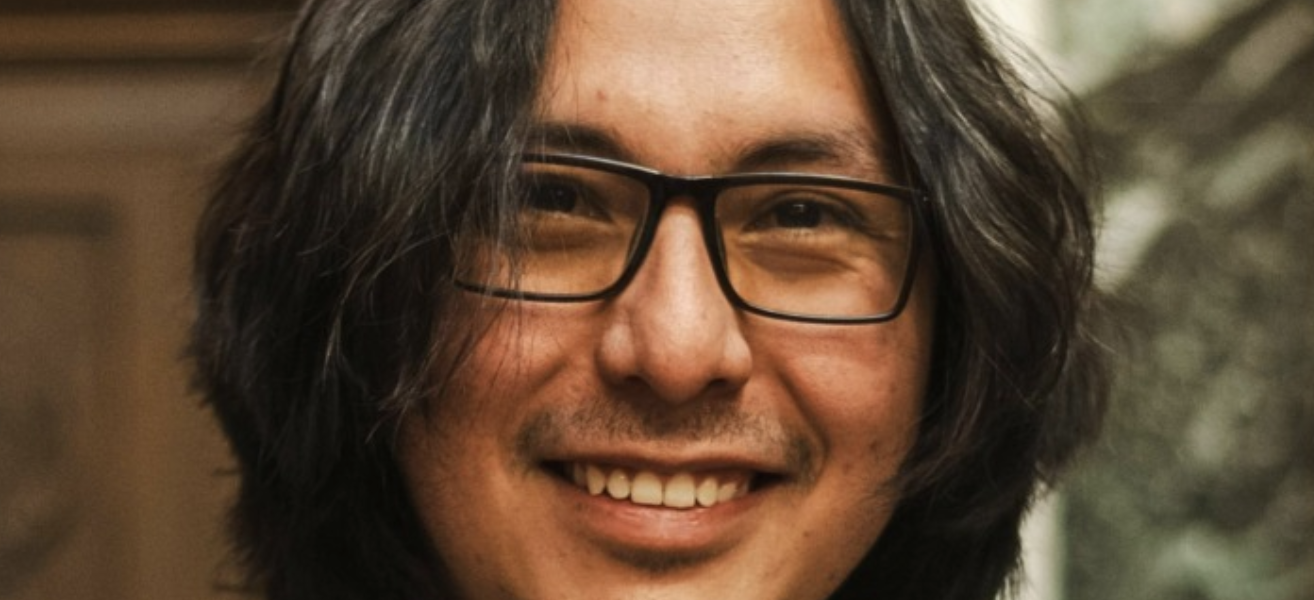
Kantuta Concerts Opus 3 and Foundation for Bolivian Artists presents Naren Palomino Pardo in Review
Naren Palomino Pardo, piano
Merkin Hall at Kaufman Music Center, New York, NY
February 27, 2026
Pianist Naren Palomino Pardo presented a program of music by South American composers at Merkin Hall, under the auspices of Kantuta Concerts Opus 3 and the Foundation for Bolivian Artists. Mr. Pardo, a native Bolivian, enjoys a healthy career as a concert artist, collaborative musician, and educator.
Bolivian composers were featured prominently, though not exclusively, in an evening that also included works by two giants of South American music, Heitor Villa-Lobos and Alberto Ginastera. Throughout the recital, Mr. Pardo played with buoyancy, lyricism, and most of all, an instinctual and improvisatory sense of rhythm.
Baroque works are often the first choice of pianists to initiate a concert, and in this case, Villa-Lobos’ Bachianas Brasileiras No. 4 filled that slot in a way that was both referential and inventive. Mr. Pardo projects a big sound, and the Steinway that evening had a brightness that could easily overpower the space. Within minutes, however, he found the warmth in the instrument. He played the Prelúdio with simplicity and beautiful tone. His technique is relaxed, playing deep into the keys like a jazz pianist. This worked especially well for the Coral movement, with its melismas and the Ária with its massive chords. Mr. Pardo’s voicing in the Ária movement had complete clarity and nuance. It was in the Danza movement, however, that he revealed what he does best- to play music influenced by movement in a way that is both virtuosic and natural.
Jaime Mendoza-Nova, a Bolivian-American composer and conductor with an extensive filmography, was represented by his Tres Danzas Bolivianas, a reimagining of three classic Bolivian folk dances- a fast and furious Taquirari with a bit of hand crossing, a Sikuri with a pagan ritualistic quality, and the Cueca, the most infectious and joyous of the three dances. The Cueca appeared a second time later in the evening, in a version by the Bolivian composer Simeon Roncal that provoked spontaneous rhythmic clapping in the audience. Of the other Bolivian composers in the “Bolivian Watercolor” grouping of the second half, I was most drawn to the Prelúdio by Eduardo Caba, a Debussyian waltz with displaced accents, which was played with sensitivity and color by Mr. Pardo. While I applaud his very generous inclusion of composers of his homeland, some judicious editing of this part of the program would have made it much more effective.
Two very different but compelling Argentinian composers, Osvaldo Golijov and Alberto Ginastera, made significant contributions to the evening. Golijov’s Levante, drawn from his Saint Mark Passion, is a powerhouse piece that was played brilliantly by Mr. Pardo. Ginastera’s Sonata No.1, Op. 22, the most complex and musically substantial offering, showed the full range of Mr. Pardo’s strengths as a performer.
I enjoyed this recital very much, for its exposure to the audience of some neglected composers who deserve more attention, and for the enthusiasm and expertise that Mr. Pardo brings to all his playing. He is a big talent, and I would look forward to hearing him as a collaborative artist and as a purveyor of other corners of the standard repertoire.
