
The odds of hearing Prokofiev’s Sonata No. 1 in recital are rather slim (compared to the seventh, eighth, and others), but when a pianist combines it with the Piano Sonata No. 2 of Ukrainian-born Sergei Bortkiewicz (1877-1952), a composer whose works are seldom recorded or performed, one knows that an unusual musical mind is at work. Add the Variations on “Dilmano, Dilbero” Op. 2 by Alexander Vladigerov (1933-1993) and the World Premiere of Lowell Liebermann’s Variations on a Theme of Schubert, Op. 100, and one has a unique evening to remember. That was what it was when Nadejda Vlaeva took the stage recently, offering also some of Liadov’s most beautiful Preludes (the D-flat, Op. 57, No. 1 and the B minor, Op. 11, No. 1) and the much more familiar Sonata “Après une Lecture du Dante” by Liszt.
Ms. Vlaeva showed throughout the evening that she has the intellectual and digital power to play anything she chooses. It was a joy to hear such effortless mastery, though at times things seemed a trifle too easy (revealing less of the involvement that sometimes redeems players of lesser gifts). Such facility may be what pushes Ms. Vlaeva towards the challenges of uncharted territory, but whatever the case may be, her forays are a refreshing break from the standard fare. Her Prokofiev illuminated phrases this listener had forgotten were there. Her sensitive interpretations of Liadov gently bridged Prokofiev and Bortkiewicz (both Liadov students).
This listener was not completely sold on the Bortkiewicz Sonata, which seemed a pastiche of other Romantics without a completely convincing cohesiveness; nonetheless, one has trouble imagining it played much better and will look forward to a second hearing. Ms. Vlaeva has recorded the work and given it its North American premiere.
Vladigerov’s syncopated Variations were a good antidote to this lush romanticism, and Liebermann’s excellent set of variations (commissioned for Ms. Vlaeva) brought Schubert’s “Heidenröslein” brilliantly and expressively into the twenty-first century.
After the Dante Sonata, as polished as expected, Ms. Vlaeva played three encores, Rebikov’s “Christmas Waltz,” Rebikov’s Musical Snuff Box, and Liszt’s “Les Cloches de Geneve.” Brava!

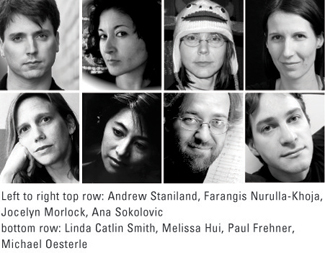 In the first concert of its 44th New York season, Continuum did one of the things it does best: explore important, talented composers who are relatively unknown in this country. Music of Canada was presented in a program entitled “Northern Exposures: Canadian Music—The New Individualists.” I came away from this program thinking that Canadian composers are indeed unique and tend to go their separate ways.
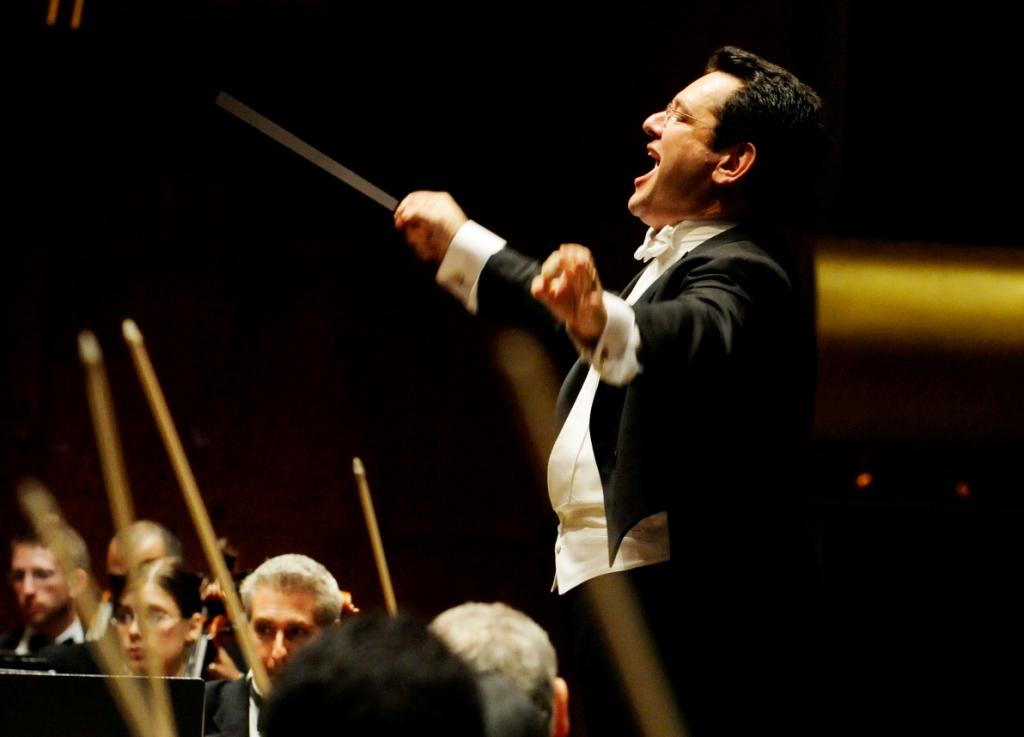
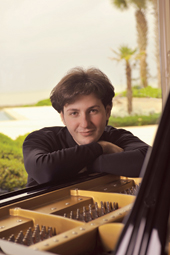 Pianist Mikhail Lifits is on quite a winning streak. At his recent solo recital as First Prize winner of the Hilton Head International Piano Competition, his impressive biography did not even list his top prize in the Busoni Competition, which he had won too recently to list!
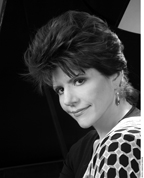 Pianist Aglaia Koras suffered through a car accident on her way to her concert on November 5th, so it wouldn’t be fair to go into detail about technicality, memory or specifics of her program. It must be said, however, that her sold-out, full-house crowd was happy to hear her, and I felt that she gave some of the most thoughtful, touching playing of Beethoven and Chopin I have heard her play. She was the come-back kid, and she should be proud to have had the courage to put on a program that many others would have canceled.
 Born in South Korea, Rira Lim began playing the piano at age four, and at age 14 made her orchestral debut in her native Gwangju. After graduating from Yonsei University in Seoul, she continued her studies at the University of Texas, earning Master and Doctor degrees. She has performed in solo and chamber music in Asia and Europe, and won prizes in several international competitions.