
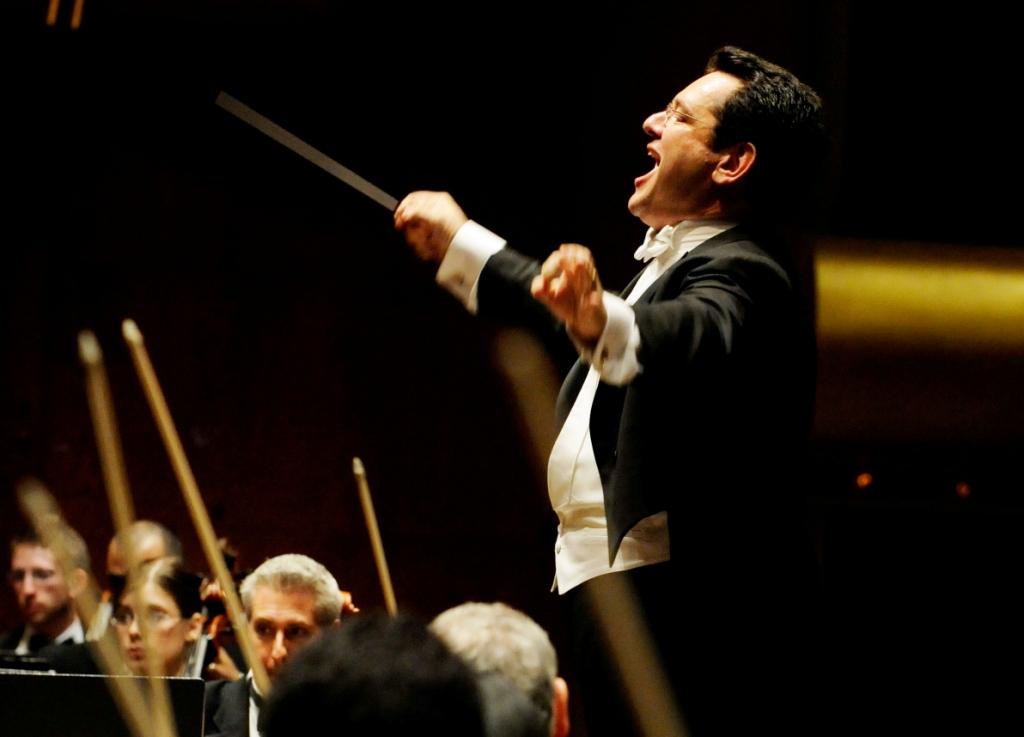
The Park Avenue Chamber Symphony
In a program called “Cinematic Genius”, the conductor David Bernard explored concert pieces that were later incorporated into film. Johann Strauss’s “On the Beautiful Blue Danube” seems far-fetched for a film about outer space, but Stanley Kubrick pulled off wonders with it in “2001, A Space Odyssey” when he used dreamier Strauss moments to represent timelessness in space. Bernard left excerpts of the film run on screen during a complete performance of the Strauss, and it didn’t always mesh in mood–exciting dance music as a backdrop for a person walking down a spaceship corridor, for example–but you’ve got to give Bernard credit for a charming, well-prepared performance of this concert staple. I also applaud him for choosing a stylistically well- balanced program, one that presented music from three different centuries.
Drew Petersen, who performed Mozart’s Piano Concerto No. 20 in D Minor, K.466, is a 16-year-old student at the Manhattan school of Music Pre-College division. He has considerable technique—his notes were in place, the cadenza playing was imaginative, and he has done a lot of wonderful charitable work for communities who need young artists like him. Unfortunately, he had to perform on a small Kawai piano, and there was little resonance and warmth of sound. Regarding a cinematic decision, I didn’t understand the need to roll the entire closing credits of the film “Amadeus” to the concerto’s slow movement. It’s a lovely choice for the movie, but here it was a distraction.
The performance of Shostakovich’s challenging Fifth Symphony was very impressive.
Bernard has chosen players wisely; the orchestra seems to have affection for each other, and their enthusiasm for the music was undeniable. The mysterious third movement of the Fifth was incorporated into a scene of the Harrison Ford film “Patriot Games,” and it was interesting to see when it was used. Unless Mr. Bernard chooses music that was written specifically for film, I do think that excerpts of concert works used in film should be heard with the movie only before performing the work as a whole. This way, you educate the audience about a film director or film composer’s approach to a classic score and also preserve the intention of the composer. In any case, David Bernard and the orchestra should be very proud of what they’ve accomplished; I look forward to hearing them again.

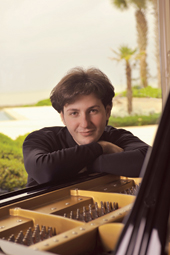 Pianist Mikhail Lifits is on quite a winning streak. At his recent solo recital as First Prize winner of the Hilton Head International Piano Competition, his impressive biography did not even list his top prize in the Busoni Competition, which he had won too recently to list!
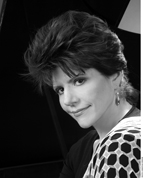 Pianist Aglaia Koras suffered through a car accident on her way to her concert on November 5th, so it wouldn’t be fair to go into detail about technicality, memory or specifics of her program. It must be said, however, that her sold-out, full-house crowd was happy to hear her, and I felt that she gave some of the most thoughtful, touching playing of Beethoven and Chopin I have heard her play. She was the come-back kid, and she should be proud to have had the courage to put on a program that many others would have canceled.
  Born in South Korea, Rira Lim began playing the piano at age four, and at age 14 made her orchestral debut in her native Gwangju. After graduating from Yonsei University in Seoul, she continued her studies at the University of Texas, earning Master and Doctor degrees. She has performed in solo and chamber music in Asia and Europe, and won prizes in several international competitions.
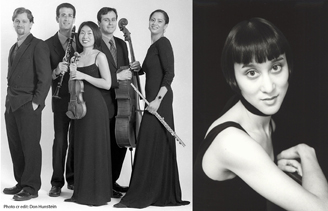 This was my first visit to Le Poisson Rouge, a multimedia art cabaret which has become the hip and trendy place to hear classical music in New York. The audience sat at tables and could eat and drink before, during and after the performance. Fortunately one heard very little table noise, and the wait-staff was quite discrete. I might add that the mac and cheese was delicious.
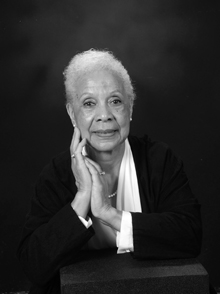 An adoring audience braved a very heavy rain to attend this concert by soprano Mareda Gaither-Graves. They were amply rewarded. The recital began with a thrilling performance of Beethoven’s concert aria “Ah! perfido.” This is a very demanding work, one in which the soloist is asked to exhibit many aspects of the singers art. And Ms. Gaither-Graves was more than up to the task. She is secure in all part of her range and her voice is well supported at all dynamic levels, from floating pianissimos to spine-tingling fortissimos.