Community High School District 99 and Bob Rogers Travel Present “New York Nouveau” in Review

Community High School District 99 and Bob Rogers Travel Present “New York Nouveau” in Review

Community High School District 99 and Bob Rogers Travel Present “New York Nouveau”
Downers Grove North High School Symphonic Band and Wind Ensemble: William S. Miller, Jennifer Mullen, Brayer Teague, conductors
Downers Grove South High School Wind Symphony and Wind Ensemble: Greg Hensel, Craig Roselieb, Glenn Williams, conductors
Guest Artists: Gaudete Brass Quintet; Don Owens, composer/conductor; Peter Wilson, violin
Distinguished Alumni Guest Artists: Kristin A. Bowers, clarinet; Ian Williams, piano; Lauren Wood, saxophone; Hannah Young, harp
Stern Auditorium at Carnegie Hall, New York, NY
March 2, 2015


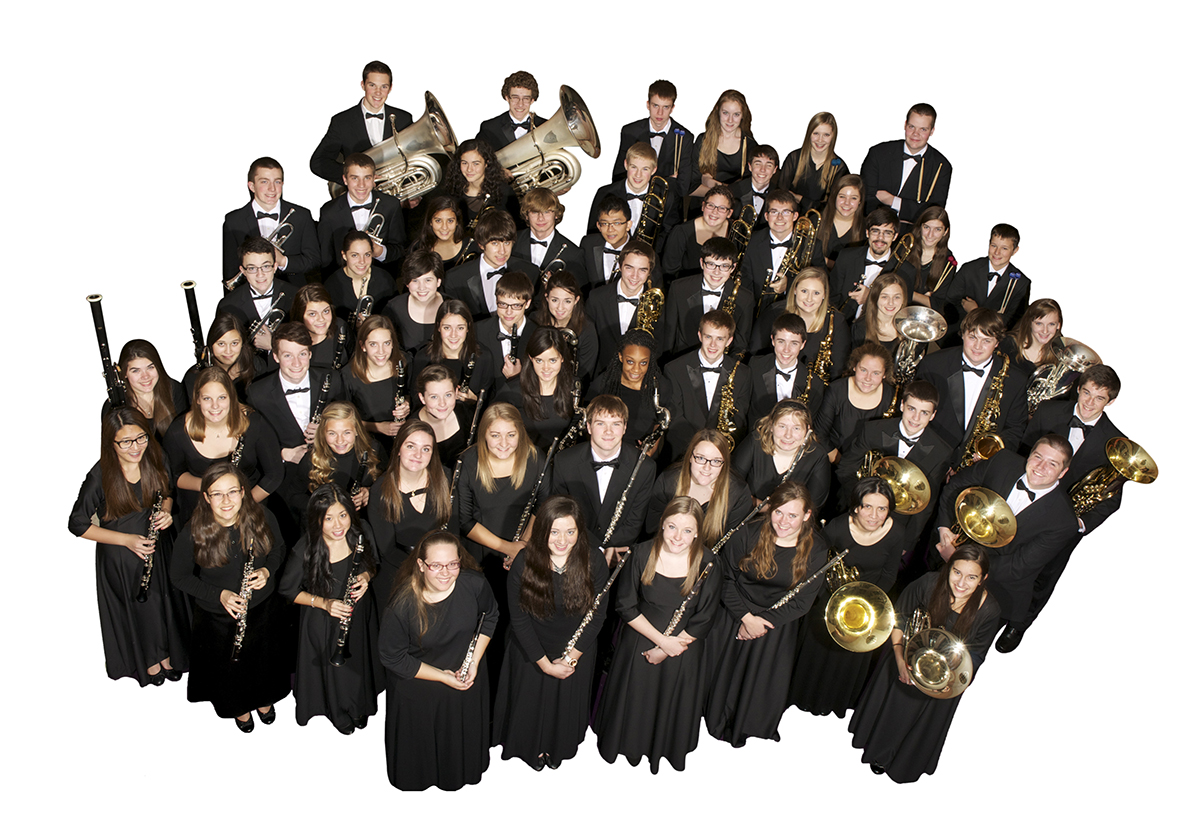
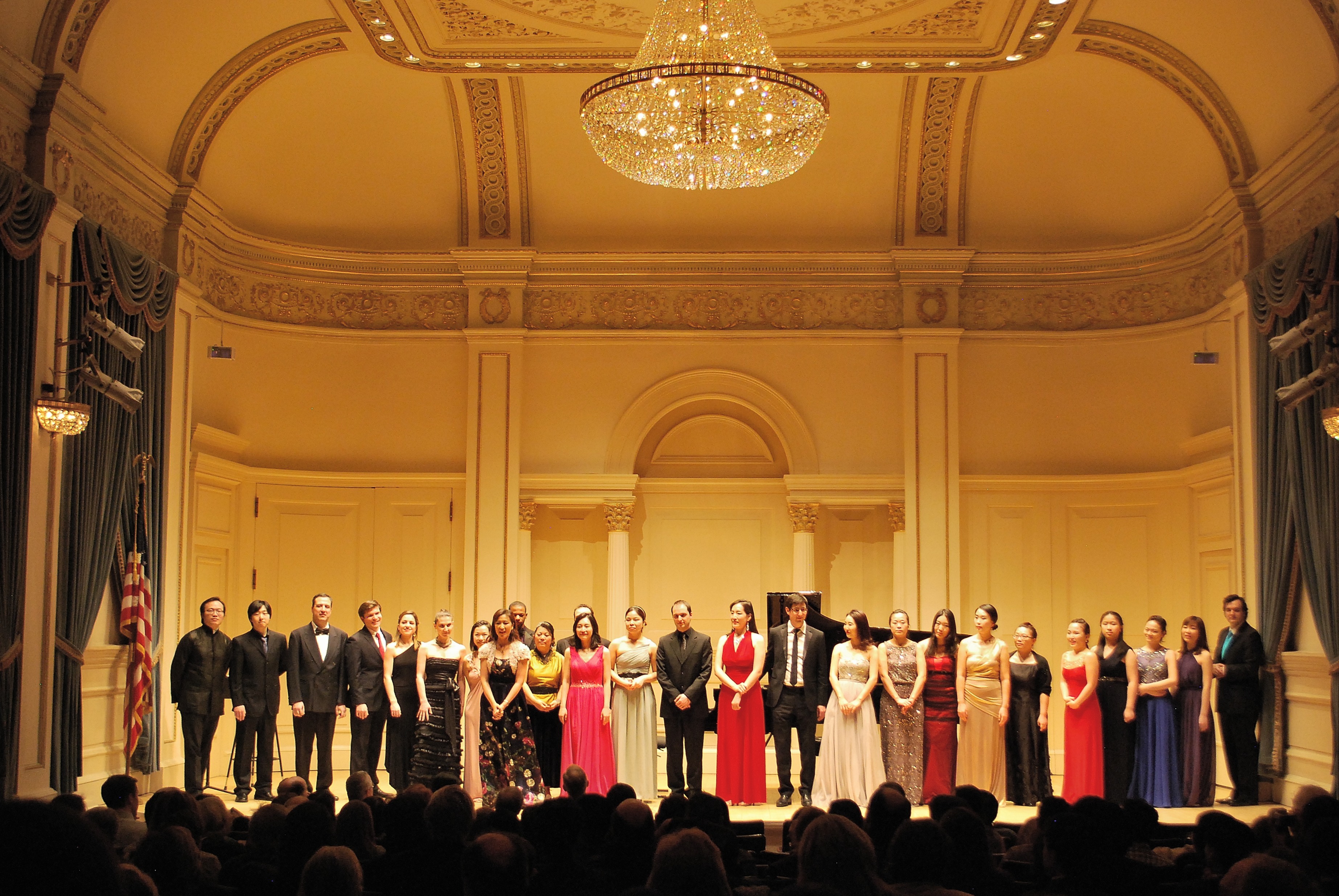
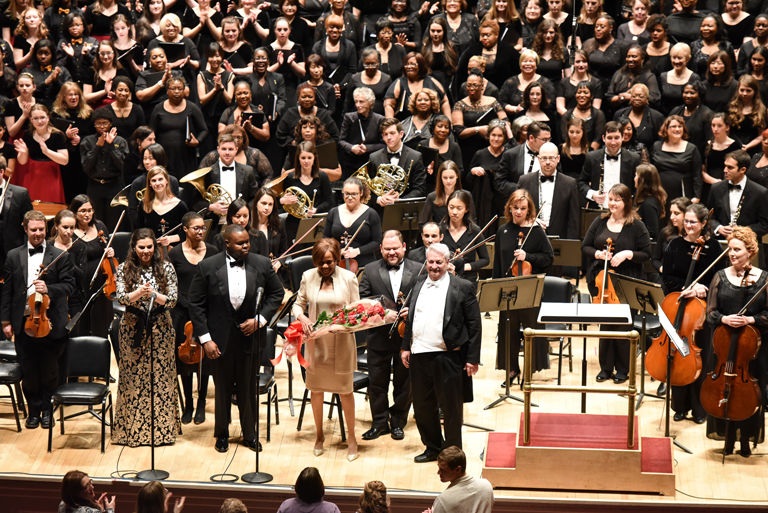
There’s an old saying in show business: “Always leave them wanting more.” It would be hard to imagine any “more” after the three-and-a-half hour epic concert presented by the symphonic bands and wind ensembles of the two high schools in Downers Grove, Illinois. There were twenty-one pieces (some quite lengthy), seven conductors, and six soloists.

I deeply admire and respect the commitment of the school board to music education, as represented by these enthusiastic young players, as well as the parent, teacher, and community support that keeps them going. A concert in legendary Carnegie Hall is truly a crowning accomplishment that many will remember for the rest of their lives.

That said, the program was not well-structured, and was way too long—it could easily have been pared down by at least an hour-and-a-half, with more selectivity. “New York Nouveau” celebrated music with unique ties to the Big Apple. Highlights included a world premiere of a commissioned work by American composer Don Owens (Concerto for Brass Quintet and Wind Ensemble), a New York premiere of Black Dog, featuring Kristin Bowers of the United States Air Force Band of Washington, D.C., and the original version of George Gershwin’s Rhapsody in Blue, as premiered in New York by the Paul Whiteman and His Orchestra in 1924.

The school ensembles were led by their respective conductors (three from each high school), who excelled in bringing dynamic nuance and contrast to marches that are often just raced through. Other matters, such as bloopers, and fuzzy rhythm plagued the symphonic-sized groups more than the leaner wind ensembles, particularly in arrangements like that of the Finale from Dvořak’s Symphony No. 9 “From the New World.” Moving one of these bands around, musically, must be like turning a large ocean liner: it doesn’t happen swiftly. The excellent violin soloist, Peter Wilson, had trouble getting group and conductor to follow his impetuous tempi in Henri Vieuxtemp’s old chestnut, Souvenir d’Amérique, which is really a set of virtuoso variations on “Yankee Doodle.”

The French word for the musical off-beat is contretemps, which is also the word for an argument. The off-beats in many of the arrangements may have caused many an argument, as they furnished the principal locus for coming-to-grief in otherwise energetic interpretations.

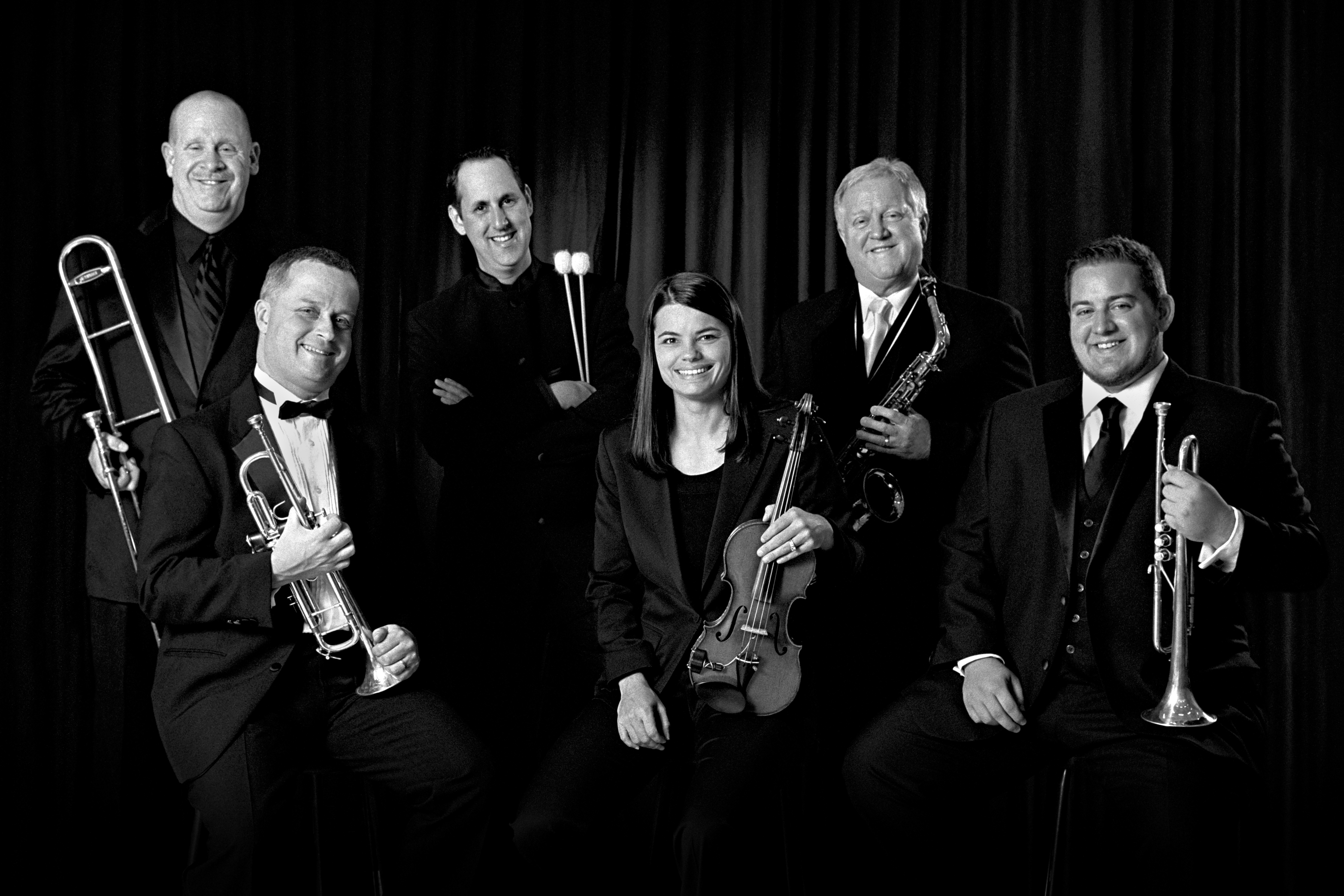
Saxophonist Lauren Wood showed great flair in the celebrated Harlem Nocturne by Earle Hagen. The Gaudete (Latin for rejoice) Brass Quintet was gleaming and precise in the most “modern sounding” work of the evening, the world premiere of Don Owens’ Concerto. They performed the aptly-titled first movement: Rejoice! A New York premiere of Scott McAllister’s Black Dog for clarinet (the superb Kristin A. Bowers) and harp and wind ensemble revealed a really good piece based on the Led Zeppelin song.


The Music Faculty of Downers Grove North High School

The Music Faculty of Downers Grove North High School

Other highlights were the “classic” marches, whether by Sousa ( Manhattan Beach March from 1893) or Sousa-followers—Karl King’s Torch of Liberty (1942), Thomas Allen’s Whip and Spur March (1902), and Otto H. Jacobs The Aviation Cadet March (1944).

The concert concluded with a war-horse that should have been more enjoyable than it turned out to be, perhaps because of the extreme length of the preceding concert: Gershwin’s evergreen Rhapsody in Blue in its original jazz band instrumentation, with piano soloist Ian Williams and players made up of students, alumni, and every member of the music faculty. Maybe it should have been called the Gershwin/Williams Rhapsody, for Mr. Williams exhibited immense rhythmic and tempo waywardness that went far beyond rubato, and he embellished many of Gershwin’s lines with jazz-inspired improvisatory filigree that didn’t really enhance the strong clean lines of the original. Let us recall that Gershwin himself made a piano roll of the part, and it is very swingy, but quite classically restrained in style. On the positive side, Mr. Williams did make the work sound very personal, his own, difficult to do with such iconic music. Nevertheless, Mr. Williams successfully performed on the main stage of Carnegie Hall, as did all these young musicians.

May their achievement be multiplied many times over, all across America. It is so important to present and hear such inspiring success stories when the “voices of doom” continually renew their prophecies of cuts in the arts, decline of interest in art music, and the like. Bravo.

Share

Cincinnati World Piano Competition presents the 2013 Gold Medal winner: Marianna Prjevalskaya in Review

Cincinnati World Piano Competition presents the 2013 Gold Medal winner: Marianna Prjevalskaya in Review

Cincinnati World Piano Competition presents the 2013 Gold Medal winner
Marianna Prjevalskaya, piano
Weill Recital Hall at Carnegie Hall, New York, NY
February 23, 2015

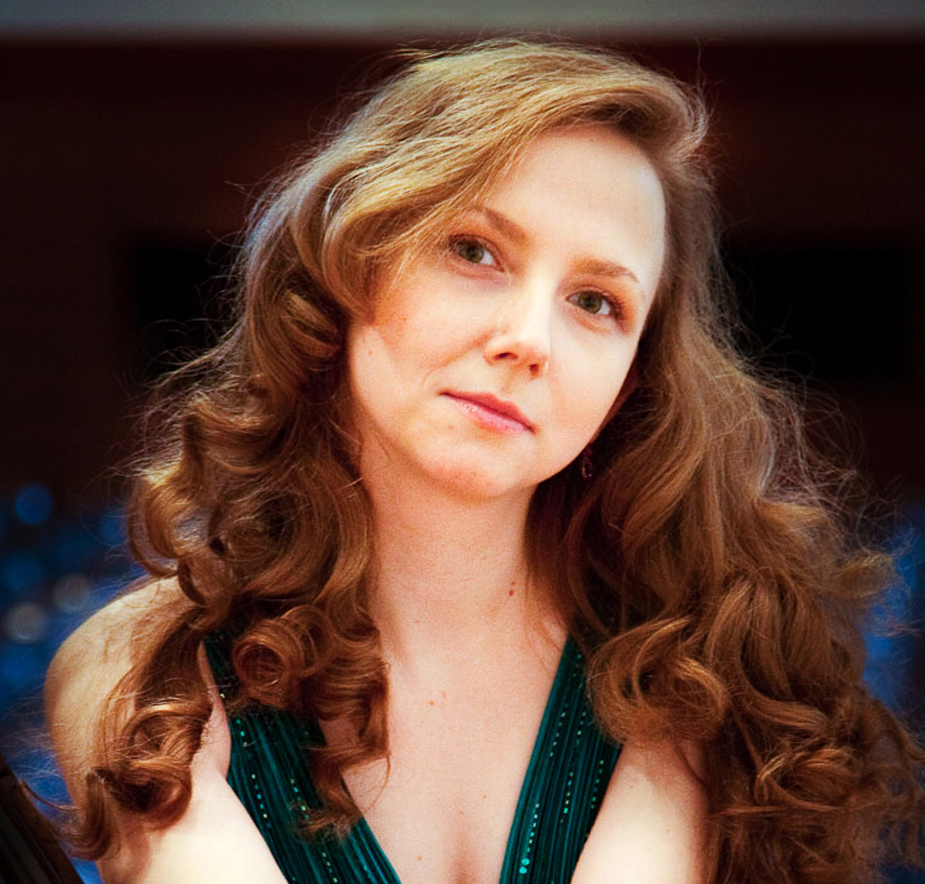
A miracle happened on one of the coldest nights in a seemingly endless New York City winter- a stunning debut piano recital by a young competition winner. It was one of the finest piano recitals that I have heard in many years.

Marianna Prjevalskaya won the Gold Medal at the Cincinnati World Piano Competition in 2013, and since then has been scooping up prizes in other competitions at a great rate, while continuing her Doctoral studies at Peabody.

She chose a daunting program that would cause many a more famous, seasoned pianist to quake in their concert shoes. The entire first half consisted of the Debussy Préludes, Deuxième livre, which is heard much less often than the first book, and is much more elusive, not to mention technically challenging. I’ll admit I was skeptical: Would there be sufficient control of the soft dynamic ranges, and the sophisticated pedaling required? I had no cause for concern, from the very first note I knew Ms. Prjevalskaya was in complete command and control of the material. Her Brouillards were as mysterious as her Feuilles mortes were properly mélancolique. Each prelude went from rapture to rapture, there was no downside. The deceptively simple single melodic line that opens Bruyères was heartbreakingly beautiful. The alternating thirds (Les tierces alternées) in the eleventh Prélude , which I regard as the “thirteenth” Debussy Étude, were marvels of clarity and speed.

Absolutely every note, articulation, blend, layer of sonority, had been completely thought through, yet never sounded premeditated, qualities that extended to the rest of the evening’s program. This was a stunning display of mature pianism, and was probably too “good,” too subtle for the audience to fully appreciate.

After intermission, Ms. Prjevalskaya favored the hall with masterworks by Chopin and Rachmaninoff; surely these would be crowd pleasing. The Chopin was his Fantaisie in F minor, Op. 49, a large work with a funeral march introduction, three repeated allegro passionate sections in different keys (between the second and third is a hymn-like meditation), and then a coda. Her sensitivity to harmonic color and her natural romantic rubato was glorious. She varied the second passionate material to make it more intimate and delicate, and then varied the third appearance to exult in a triumphant way.

The final work was Rachmaninoff’s massive Variations on a Theme of Chopin, Op. 22. The theme is the famous Prelude No. 20 in C minor, unfortunately known to many only by its presence in “Could It Be Magic,” a Barry Manilow song. This work is much less often performed than Rachmaninoff’s Corelli Variations, and it is easy to see why. The complexities are staggering and the technical demands enormous. The entire work is like an encyclopedia of Rachmaninoff gestures from many of his other works, notably the Piano Concerto No. 2 (in the same key, C minor), and his Preludes and Études-Tableaux. Ms. Prjevalskaya conjured everything from piano sonority to a metaphor for full orchestra without once making a harsh sound or playing an unmusical note. Her ability to clarify the densest textures was absolute. And through all this, one sensed her fierce commitment to each and every note and phrase, all dispatched with a relatively sober demeanor—no grimacing or grandstanding. All her energy went into the notes themselves.

At the end of the Variations, I leapt to my feet (which I rarely do, because I feel standing ovations are overdone), and found to my non-amusement that I was the only one doing so. Not to worry, she will find her audiences, and they will hang on her every note.

I would love to hear that pianism brought to bear on an unorthodox idea: a complete Well-Tempered Clavier of Bach. (Just a suggestion, Marianna!) She favored the audience with one richly deserved encore: Chopin’s Nocturne, Op. 27 No. 1 in C-sharp Minor, which was redolent with dark visions of (perhaps) Venice at night.

[A word to presenters and recitalists: If you are giving a recital in a major New York hall, a 4” x 6” piece of card stock is NOT a sufficient “program.” Also, artists: PLEASE have written program notes (your own), or, if you are not comfortable doing so, hire someone who is. Of course, it is better if you do it yourself—it adds a whole layer to the audience’s understanding of your involvement with the music before you have even played a note.]

The preceding paragraph is only addressing a distressing trend I see in these debut recitals, and is in no way meant to take away from what was one of the major piano recitals of the season. I look forward to much more from Marianna Prjevalskaya.

Share

Mason Gross School of the Arts presents “The Unknown Diabelli Variations” in Review

Mason Gross School of the Arts presents “The Unknown Diabelli Variations” in Review

Mason Gross School of the Arts presents “The Unknown Diabelli Variations”
With pianists from the Mason Gross School of the Arts
Min Kwon, artistic director
Weill Recital Hall at Carnegie Hall, New York, NY
February 17, 2015

Mardi Gras is a day for excess before the penitential season of Lent. There certainly was an excess of variations on a waltz by Diabelli at Weill Recital Hall last night, and an excess of pianists and composers, all under the watchful, charmingly humorous eye of their mistress of ceremonies, Min Kwon. Call it “50 Shades of Diabelli,” if you will.

Nearly everyone knows of the great Beethoven set of 33 variations (Op. 120) on what he termed a “Schusterpfleck” (cobbler’s patch), the inane waltz by Anton Diabelli, with its square, symmetrical phrasing and obvious sequences. There was even a Broadway play (2009) called 33 Variations, starring Jane Fonda as a musicologist on the trail of secrets about the piece.

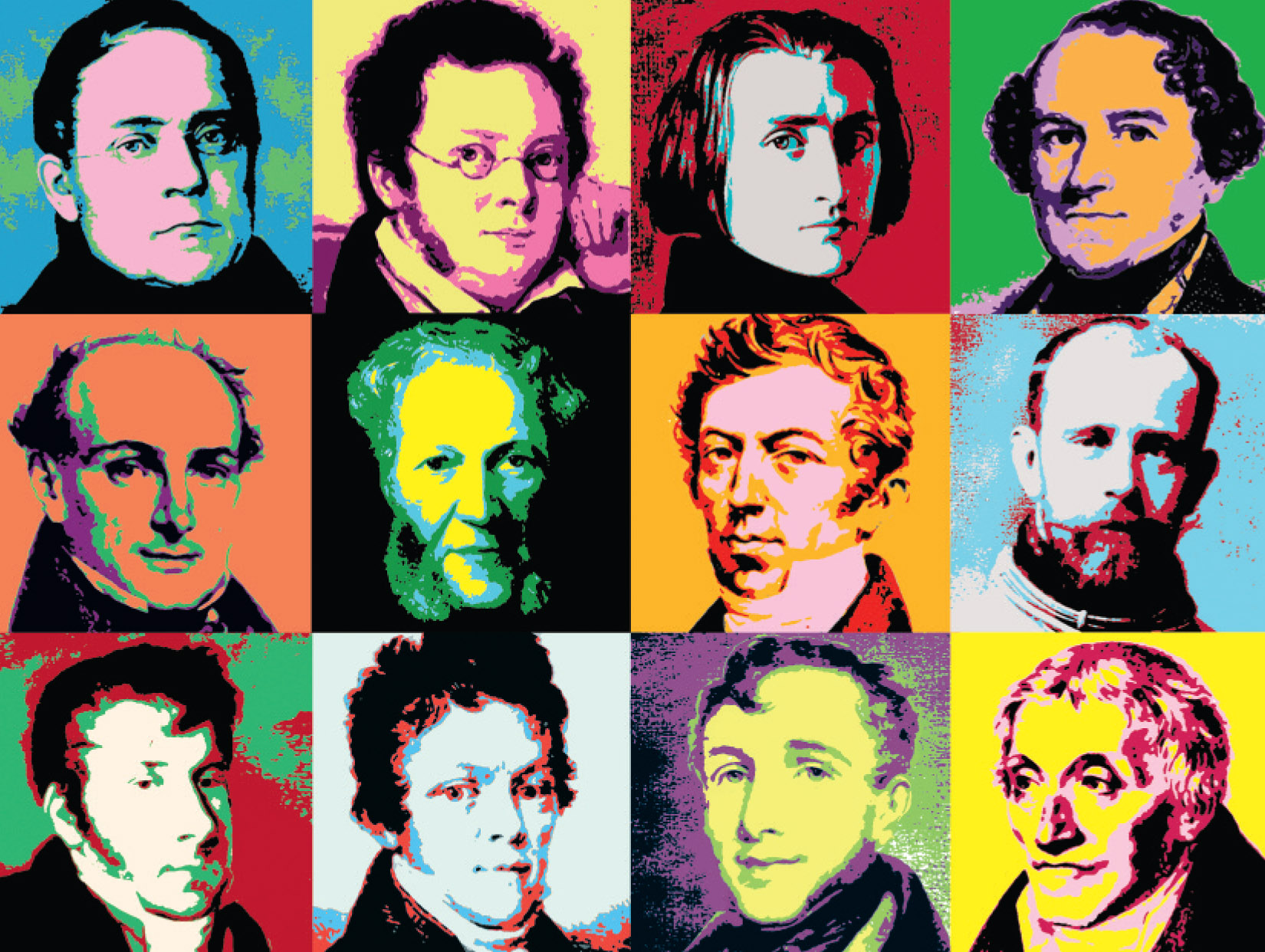
The mission of the Mason Gross piano department was to correct the imbalance, and to present the other fifty composers’ responses to Diabelli’s vanity request. Diabelli was an important Viennese music publisher, and I imagine you wouldn’t want to get on his bad side. He published Beethoven’s monumental set by itself as Volume I, and all the others as Volume II.

Nearly all of these other composers, with the notable exceptions of Schubert and Liszt, are nearly or completely forgotten today, so much so that even the enterprising Ms. Kwon, who read interesting facts about each before their variation (and introduced each pianist), had nothing to say about a few of them.

Twenty-five (!) pianists divided the set among them, each taking one, two, or three of the variations, some of which presented nightmarish problems of digital dexterity, in the best tradition of early-nineteenth century Viennese pianistic showmanship. Sadly, the inspiration level of the variations was, at least 95% of the time, as banal as the generating tune that gave rise to the whole thing, but the inspiration level of the performers, including their commitment, joy, and technical ability, was much higher.

Beethoven immediately set about pulling apart the theme, teasing out every motivic implication as only he could. Given a waltz, he turned Variation I into a march in 4/4 time, and so on. By the time this metaphysical journey is over, the lowly waltz “caterpillar” has been transformed into a courtly minuet “butterfly.”

Mason Gross School of the Arts presents “The Unknown Diabelli Variations”

Mason Gross School of the Arts presents
“The Unknown Diabelli Variations”

The fifty composers’ primary approach was for the “ornamental” variation, in which the main features of the original are very much on the surface. I counted only four who even dared venture into the minor mode, including the haunting Schubert contribution, a waltz that managed to say more about Schubert than the source material. It was gorgeously rendered by Nathaniel Francis. The variation by C.M. von Bocklet, a friend of and interpreter of Beethoven, sounded like he had heard Beethoven’s own Variation XXI, perhaps in private in Beethoven’s quarters. Others chose fugal imitation as a response, there was even a Polonaise. A particularly lovely variation was by one Joseph Kerzowsky, about whom nothing was known other than his participation in this set. That was played meltingly by another of my favorite pianists of the evening, Di Wang. Liszt could be forgiven for his tempestuous C-Minor rant, buried in rushing figuration—it was, after all the product of an eleven-year old, who had only been studying with Czerny for three years. W.A. Mozart’s second son, Franz Xaver, contributed a rather dull variation, and Beethoven’s own Archduke Rudolph reveled in displaying his understanding of counterpoint with a largely fugal variation that didn’t really “arrive” anywhere.

I couldn’t tell whether all of the composers were being absolutely serious, or if they were trying to “out-trivialize” their given theme. By the second half of the concert, the signature features of Diabelli’s tune: the turn, the five-one “thump,” the sequence, were so distressingly familiar that one could have probably held a sing-along.

One very innovative facet of the evening was the presence of seven contemporary composers (also from Mason Gross School), and their own takes on Diabelli’s fling. These were offered as a sort of pianistic “sorbet,” placed after every seven or so of the older variations. These were mainly clever, but the standouts were: Chung Eun Kim’s jazzy flirt; and then the “encore” by Matt Anderson—a frenetic 7/8 romp, with the added interest of being scored for piano four-hands.

Overall, this was an interesting presentation, perhaps a bit too didactic for a real evening of “entertainment,” but I do salute and appreciate the talent and hard work involved, and the seriousness of intent. There’s something really good going on in the piano (and composition) department of the Mason Gross School of the Arts at nearby Rutgers University.

Share

Distinguished Concerts International New York (DCINY) presents Two Cultures, One Dream in Review

Distinguished Concerts International New York (DCINY) presents Two Cultures, One Dream in Review

Distinguished Concerts International New York (DCINY) presents Two Cultures, One Dream
Jonathan Griffith, DCINY Artistic Director and principal conductor; Jie Yi, Debut Conductor
Earnestine Rodgers Robinson, visiting composer; Heather Sorenson, arranger, orchestrator and accompanist
Ana Isabel Lazo, soprano; Ting Li, tenor; Tshombe Selby, tenor; Chai-Lun Yueh, baritone; Brian Wahlstrom, baritone and narrator; James T. Meeks and Michelle R. McKissack, narrators; Jiaju Shen, pipa
Distinguished Concerts Orchestra; Distinguished Concerts Singers International
Stern Auditorium, Carnegie Hall, New York, NY
February 16, 2015


Two Cultures, One Dream was the title of the concert presented by Distinguished Concerts International New York (DCINY) on February 16, 2015. While the “two cultures” were only implied as East and West, the “one dream” was explicit – freedom from oppression and the triumph of the people against their oppressors. With singers from Connecticut, Illinois, New Jersey, New York, North Carolina, Ohio, Texas, Washington, Canada, China, New Zealand, Taiwan, and “individuals from around the globe,” the stage was set for that at which DCINY excels – the “big show.”

The first half of the program was the Yellow River Cantata (which was reworked in 1969 at the instigation of Madame Mao into the well-known Yellow River Piano Concerto, by a “committee” of five Chinese composers) by Xian Xinghai (1905-1945). Xian was one of the first Chinese composers to have adopted western influences, having studied composition with Vincent D’Indy and Paul Dukas in Paris, and no doubt with Soviet composers during his time in the Soviet Union in the 1940s. Given the honorific “The People’s Composer” by Mao Zedong, Xian’s legacy rests largely his with his more “populist” works, the Yellow River Cantata being his best-known work with western influences.


Act-2_Exodus_2

Distinguished Concerts International New York (DCINY) presents Two Cultures, One Dream


The “original” Yellow River Cantata was written in 1939, which, according to Xian’s daughter, took only six days to complete. Using the poetry of Guang Weiran as the text, there are four performed versions, with seven to nine movements. The version performed on this occasion is the most frequently played, with seven movements. The writing is tonal and bears the influences of Mr. Xian’s western studies, sometimes in a derivative way. The melodic material is largely folk-influenced and uncomplicated. The work is to exhort the Chinese people to resist and repel the Japanese invaders who were occupying China at the time (1939). The idea of a musical work to rally the people is not unique (Shostakovich’s Symphony No.7 “Leningrad” being one of the most obvious examples), but it is chiefly this context that makes Yellow River Cantata effective. Each movement begins with a male narrator exhorting the people to action, using the Yellow River as a symbol of Chinese identity.

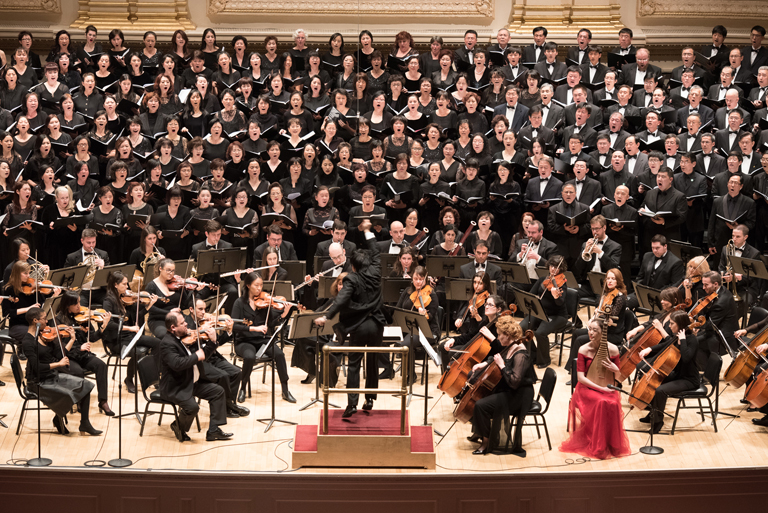
Now, after all this background, it is time to talk about the actual performance. This was one of the most energetic performances of any work I have seen in many years! There were no half-measures at any time; it was full tilt from start to finish by all. It was especially interesting to see how involved the chorus was in performance. It was obvious they were giving it their all, with evident pride, as if to say “This is our music, and we are proud to share it with you.” Conductor Jie Yi was a force of nature, with boundless energy and enthusiasm that won the day. Mr. Jie has star potential and charisma that reminds one of Gustavo Dudamel and the young Leonard Bernstein. The soloists were outstanding as well. Baritone Chai-Lun Yueh was confident and projected with both strength and dignity, tenor Ting Li and baritone Brian Wahlstrom in duet were well matched as Jiaju Shen set the mood with accompaniment on the pipa, while soprano Ana Isabel Lazo captured the heartbreak in “Lament of the Yellow River” with perfection. Finally, Mr. Wahlstrom’s narration was excellent, in both English and Chinese, as his voice filled the hall. The net result was, to this listener, a rare occasion where the quality of the performance exceeded the actual intrinsic value of the work itself.

After intermission, it was time for the world premiere of Exodus, a four-part oratorio depicting the story of the Israelites being held in captivity in Egypt, their ultimate escape, and their triumph in reaching the Promised Land. The story is so well known that I will not recount it here. The composer, Earnestine Rodgers Robinson, has written two other critically acclaimed oratorios, The Crucifixion and The Nativity. It is highly likely that Exodus will join these two works in similar esteem, as it is a piece of great power, worthy of the subject matter and never losing its hold on the listener in its nearly one-hour length. The vocal writing is highly effective and the first-rate orchestrations by Heather Sorenson serve to strengthen the work even more. I would like to make special mention of the setting of Psalm 23 in Part IV, which has been set by some “heavy hitters” in musical history. Ms. Robinson’s version can hold its own with any of them.

With the dynamic narrations from Pastor James T. Meeks and Michelle R. McKissack (a daughter of Ms. Robinson), the talented tenor Tshombe Selby, the return of Ms. Lazo with the hard-working Mr. Wohlstrom, and the passionate and well-prepared chorus, it was a winning performance. Led by the supremely able Jonathan Griffith, who has made an art form of leading forces of several hundred, and the fine Distinguished Concerts Orchestra, it was a great end to the evening. The audience obviously found this to be so, given the ovation and the cheers for Ms. Robinson when she came to the stage. Congratulations to all for a great concert.


Share

Pianist Carlo Grante in Review

Pianist Carlo Grante in Review

Carlo Grante, Pianist
Masters of High Romanticism, Program III: Johannes Brahms
Alice Tully Hall, Lincoln Center, New York, NY
February 10, 2015


The sheer bravery of structuring a recital devoted wholly to Brahms and his many themes and variations was enough to earn my respect for Carlo Grante even before he sat down at the Bösendorfer piano. His detailed and cogent program notes revealed a musician of intellect, erudition, and passion for the composer and the compositional process. His playing, borne of courage and intelligence, supported my initial impressions, though the execution of his ideas was not consistently polished.

What is immediately apparent from Mr. Grante’s playing is his facility in surmounting every type of pianistic challenge. His technique is a big one, characterized by a massive sound and an unusually extreme dynamic spectrum. For the most part, though not always, this worked to his advantage. It may have been due to the acoustics of Alice Tully Hall, or simply a misjudgment in pedaling, but much of the left hand bass figuration in forte and fortissimo passages did not always read cleanly- but that is a small matter in the context of a program marked by such high ambition.

Brahms’s Variations on a Hungarian Song, Op. 21, No. 2, though it contains the least permutations of the four works on this program, is still dense with invention in its comparatively short span. Mr. Grante’s performance of this early work proved to be a template for the rest of the evening. The theme was stated briskly and forcefully, and the variations seemed almost freely improvised, as if an incidental detail of one provided the impetus for the next. Without so much as a brief departure from the stage, the pianist then launched into both books of the Paganini Variations, Op. 35. By this point in the recital, I was convinced of his enormous strengths and puzzling inconsistencies. Some variations, such as the third and fourth of Book I, and the tender waltz variation of Book II, were voiced and balanced exquisitely. Others were dispatched with less care, both rhythmically and coloristically. His strongest playing came in the finale of the second book, driven by a powerful left hand, and brilliant pacing.

With the amount of material to memorize in this daunting survey, it is no surprise that the pianist chose to play both the Variations on a Theme of Schumann in F-sharp minor, Op. 9, and Variations and Fugue on a Theme of Handel, Op. 24, using the score. Oddly though, the presence of the printed page did not always allow Mr. Grante the sense of security he may have anticipated. In fact, the more difficult passages (which require much practice) were often more confidently rendered than the slower, lyrical music, which seemed tentatively played as if it were truly being read.

Of all the works in this concert, the Schumann Variations, because of their fragility and quirkiness, require the most care. This care was evident in Mr. Grante’s rendering of the theme, with its woodwind chorale voicing, and also in two pristine variations, the fourth and fifth, in which dynamics and tone were perfectly calibrated. Elsewhere in this piece, and in the Handel Variations, which followed, there were frequent miscalculations in attack and pedaling. Forte passages often sounded forced, while softer music lacked depth and solidity. Despite all this, the pianist ended the evening strongly, delivering the Handel fugue with remarkable clarity and aplomb.

Mr. Grante is an artist of abundant gifts. In his effort to share with the audience his knowledge and affection for this music, he set goals that were unattainable in one concert. I look forward to hearing him under better circumstances in future recitals.

Share

Distinguished Concerts International New York (DCINY) presents The Music of Karl Jenkins in Review

Distinguished Concerts International New York (DCINY) presents The Music of Karl Jenkins in Review

Distinguished Concerts International New York (DCINY) presents The Music of Karl Jenkins
Karl Jenkins, composer/conductor
Jonathan Griffith, DCINY Artistic Director/Principal conductor
Lucy Knight, soprano; Mark Watson, baritone
Distinguished Concerts Orchestra; Distinguished Concerts Singers International
Stern Auditorium, Carnegie Hall, New York, NY
January 19, 2015

In what has become an annual tradition, Distinguished Concerts International New York (DCINY) presented a concert in celebration of Martin Luther King, Jr. Day featuring the music of Karl Jenkins. This edition was truly global in scope, with singers from Germany, South Africa, United Kingdom, Switzerland, Sweden, Canada, Russia, Ireland, Italy, California, and Massachusetts (including a children’s chorus). With a first half consisting of the United States premieres of Llareggub and The Healer, a second half featuring The Peacemakers, and a post-concert opportunity to greet Mr. Jenkins and have him autograph his latest CD release, it had all the makings of a special evening.

Before the concert proper, Mr. Jenkins joined DCINY conductor Jonathan Griffith on stage for an impromptu conversation about the works on the first half. There was much laughter as Mr. Griffith attempted to pronounce poet Dylan Thomas’s (invented) “Welsh” word Llareggub. Mr. Jenkins smiled as he gave what would be a “proper” Welsh pronunciation (k(ch)la-REG-gub), and then told the audience that when spelled backwards it has a very different meaning in English, a wordplay betraying Thomas’s sense of humor. I leave it for the reader to figure it out! Mr. Jenkins also expressed his admiration and thanks for the many texts written especially for him by his wife, Carol Barratt, a formidable talent in her own right. After a few closing words about Mr. Jenkins’s esteem for Terry Waite (who was captured by terrorists in January 1987 while working to secure the release of hostages, and held captive for nearly five years), who provided friendship and texts to the composer, Mr. Jenkins then took to the podium to conduct Llareggub.

Llareggub is a musical snapshot of life of the fictional village setting of Dylan Thomas’s Under Milk Wood. The three movements, Starless and Bible-Black, Eli Jenkins’ Prayer, and At the Sailor’s Arms, are played without break. Starless and Bible-Black is serene, with an atmospheric feeling that is strongly suggestive of a pitch-black night that slowly moves towards daybreak. The second movement, Eli Jenkins’ Prayer, features a quote from a hymn, “Burnt Oak”, written by Karl Jenkins’s father (not to be confused with Eli Jenkins, who was a creation of Dylan Thomas and bears no relation to the composer’s father). Concertmaster Jorge Ávila played his solo part with expressive feeling that was sentimental, but never maudlin. The finale, At the Sailor’s Arms, is a visit to the local pub, filled with chat, drinking, merriment, more drinking, brawling, and drinking until drunk. Complete with a honky-tonk piano, it was just like being there in the thick of it. One could easily imagine Dylan Thomas amongst the locals, matching them drink for drink. Mr. Jenkins led the Distinguished Concerts Orchestra with his customary understated manner, always letting the music and the musicians take center stage. Llagerggub was a delightful quarter-hour visit to the wonders and whimsy of Wales, a trip this listener very much enjoyed taking. I suspect the large audience shared my opinion, as they gave Mr. Jenkins a hearty ovation.

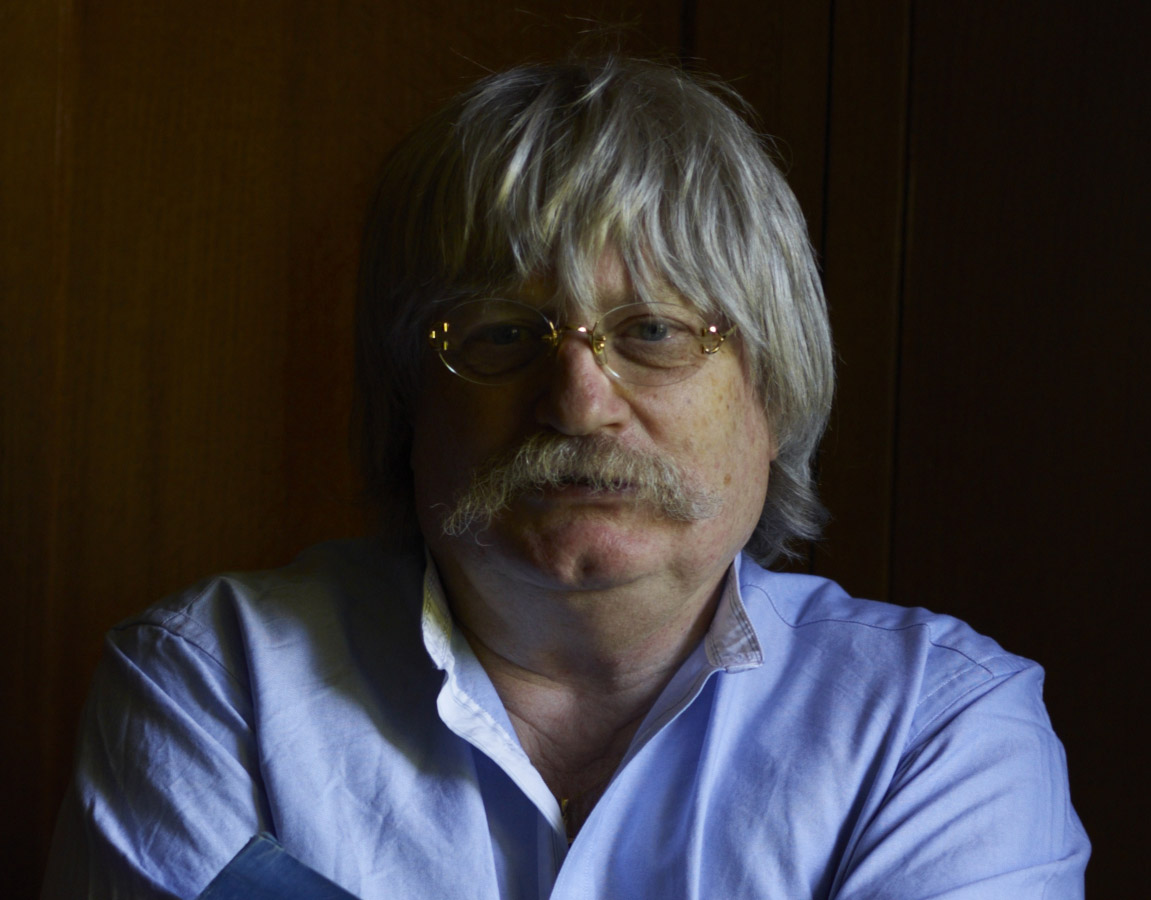
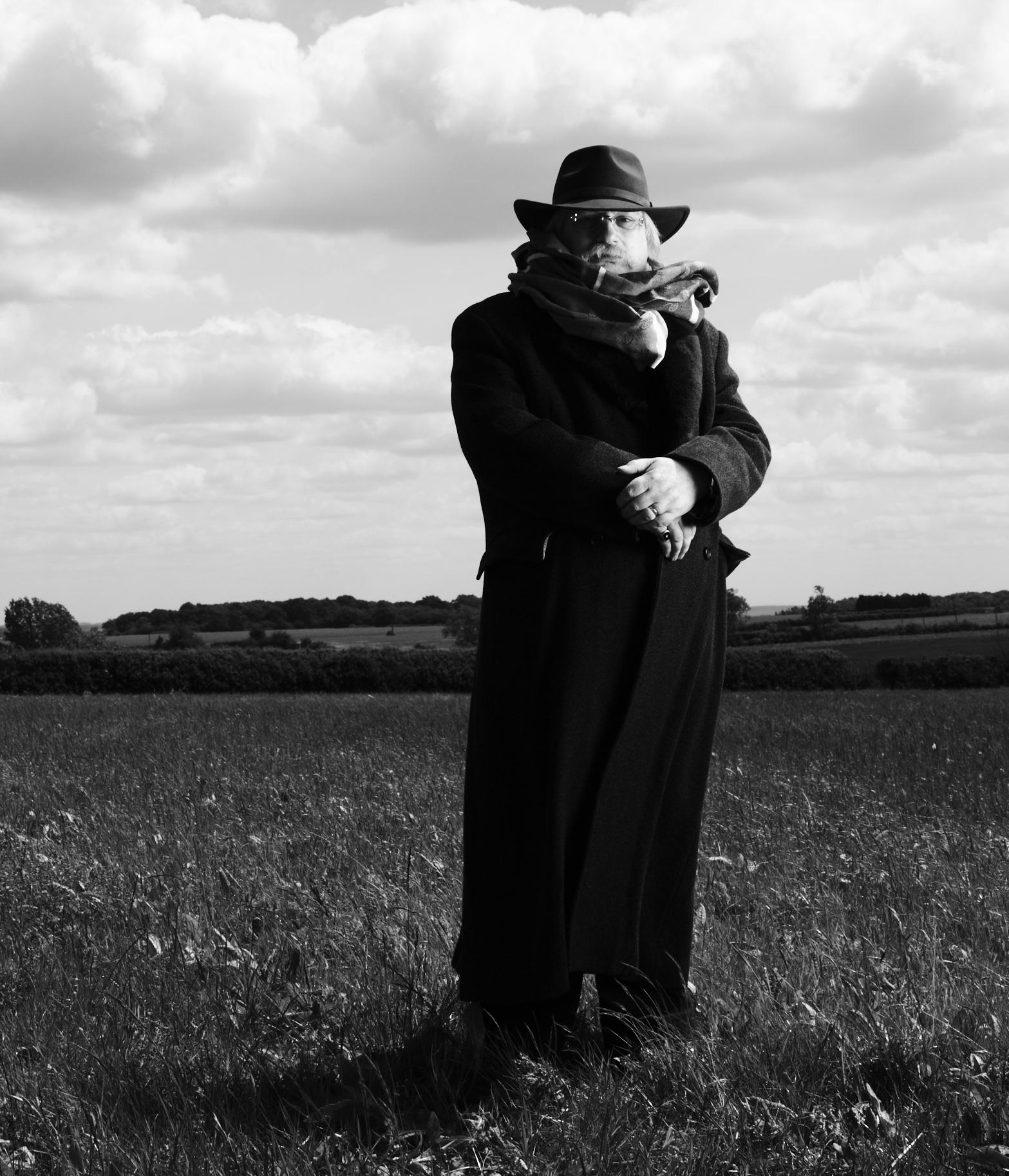
Karl Jenkins

Karl Jenkins


After this happy romp, it was time to move to the serious side with The Healer. Subtitled A Cantata for St. Luke, The Healer is a nine-movement work scored for soprano and baritone soloists, chorus, strings, oboe (doubling on cor anglais), and percussion. Taking a page from his earlier Stabat Mater, the composer uses the middle-eastern percussion instruments (the riq and darbuca) to accentuate the sounds of the ancient land. With text from the Book of Common Prayer, St. Luke (from the Authorised Version (Luke 15: 3-7) and Vulgate (Luke 2:29-32) version of the Holy Bible), William Blake, Fyodor Dostoyevsky, Carol Barratt, Vivien Harrison, and Terry Waite, The Healer is another demonstration of Mr. Jenkins’s seemingly limitless ability to capture the essence of such evocative material with the simplest of means. A perusal of the score highlights this – it is deceptively simple, but the net effect is one of great import. This is the mark of a composer who has the courage to stick to his guns in a musical world that often scoffs at such an approach as pandering to the hoi polloi.

Highlights for this listener were in abundance, however I will limit myself to those I found the most compelling. Soprano Lucy Knight captured the essence of “The eyes of a child” with true innocence. Baritone Mark Watson projected strength throughout, and his “The Shepherd” was particularly fine. The large chorus was well prepared, from the chant-like Prologue to the Epilogue (Nunc dimittis). Special mention goes to oboe/cor anglais soloist Ryan Walsh for his excellent playing. The Healer can well join the growing list of works by Mr. Jenkins that should enjoy widespread performances.

After Intermission, it was time for the two-part, seventeen movement The Peacemakers. Scored for orchestra, chorus, soprano soloist, bass and ethnic flutes, ethnic percussion, Uilleann pipes, soprano saxophone, and electric bass, The Peacemakers resembles his earlier works The Armed Man in its blueprint and Stabat Mater in multicultural influences. Quoting Mr. Jenkins, “One line from Rumi sums up the ethos of the piece: ‘All religions, all singing one song: Peace be with you.'” This is an ideal that our world sadly is sorely lacking, as the composer himself lamented in his program notes. The texts for The Peacemakers comes from a variety of sources, some expected (Scripture from the Bible and Qur’an, Gandhi, the Dali Lama, Nelson Mandela, etc.), some unexpected (Albert Schweitzer, Percy Shelley, Anne Frank), and of course, Carol Barratt and Terry Waite.

Unlike The Armed Man, with the duality of war and peace, The Peacemakers is singularly focused on peace. The music draws one in and holds one in its thrall, rather than grabbing and pulling one as The Armed Man does. This is not to say that there are not any martial moments in The Peacemakers, but when they appear, it is a joyful call in the name of peace rather than any warlike saber rattling. As much as I would enjoy commenting on each of the seventeen movements, I am going to single out two movements that were my favorites, the hauntingly beautiful The Dove, with Lucy Knight’s exquisite heart-melting voice, and the amazing He had a dream- Elegy for Martin Luther King Jr. with the soprano saxophone’s bluesy riffs winding in and out of the melody, complete with a quote from Robert Schumann’s Träumerei. It could easily stand alone in performance , and would be a welcome addition to any musical tributes for Dr. King. Kudos to all the soloists (Jorge Ávila, Violin, Jesse Han, Bass Flute, Premik Russell Tubbs, Bonsuri and Ethnic Flutes, from NYJAZZ: Rob Derke, Soprano Saxophone; Carlo de Rosa, Electric Bass; and Andy Blanco, Ethnic Percussion, Joseph Mulvantrey, Uilleann Pipes), the Distinguished Concerts Orchestra, and the Distinguished Concerts Singers International.

Maestro Jonathan Griffith led yet another winning performance, as I have come to expect from this fine musician. It is no surprise that Mr. Griffith was awarded the 2014 American Prize in Conducting- professional orchestra division. The ovation was long, loud, and well earned. Mr. Jenkins took to the stage and modestly bowed while saluting the performers. It was a wonderful ending to a exceptional evening of music. I am already looking forward to January 18, 2016.

Share

Distinguished Concerts International New York (DCINY) presents Misatango: A Tango Mass from Argentina in Review

Distinguished Concerts International New York (DCINY) presents Misatango: A Tango Mass from Argentina in Review

Distinguished Concerts International New York (DCINY) presents Misatango: A Tango Mass from Argentina
Flutopia Wind Ensemble; Jennifer Lapple, Director
Tierra Adentro De Nuevo Mexico Dance Ensemble; Joaquin Encinias, Director/Vocalist
Pablo Christian Di Mario, Director; Martín Palmeri, Visiting Composer/Pianist; Kristy Swann, mezzo-soprano
Distinguished Concerts Orchestra, Distinguished Concerts Singers International
Stern Auditorium, Carnegie Hall, New York, NY
January 18, 2015


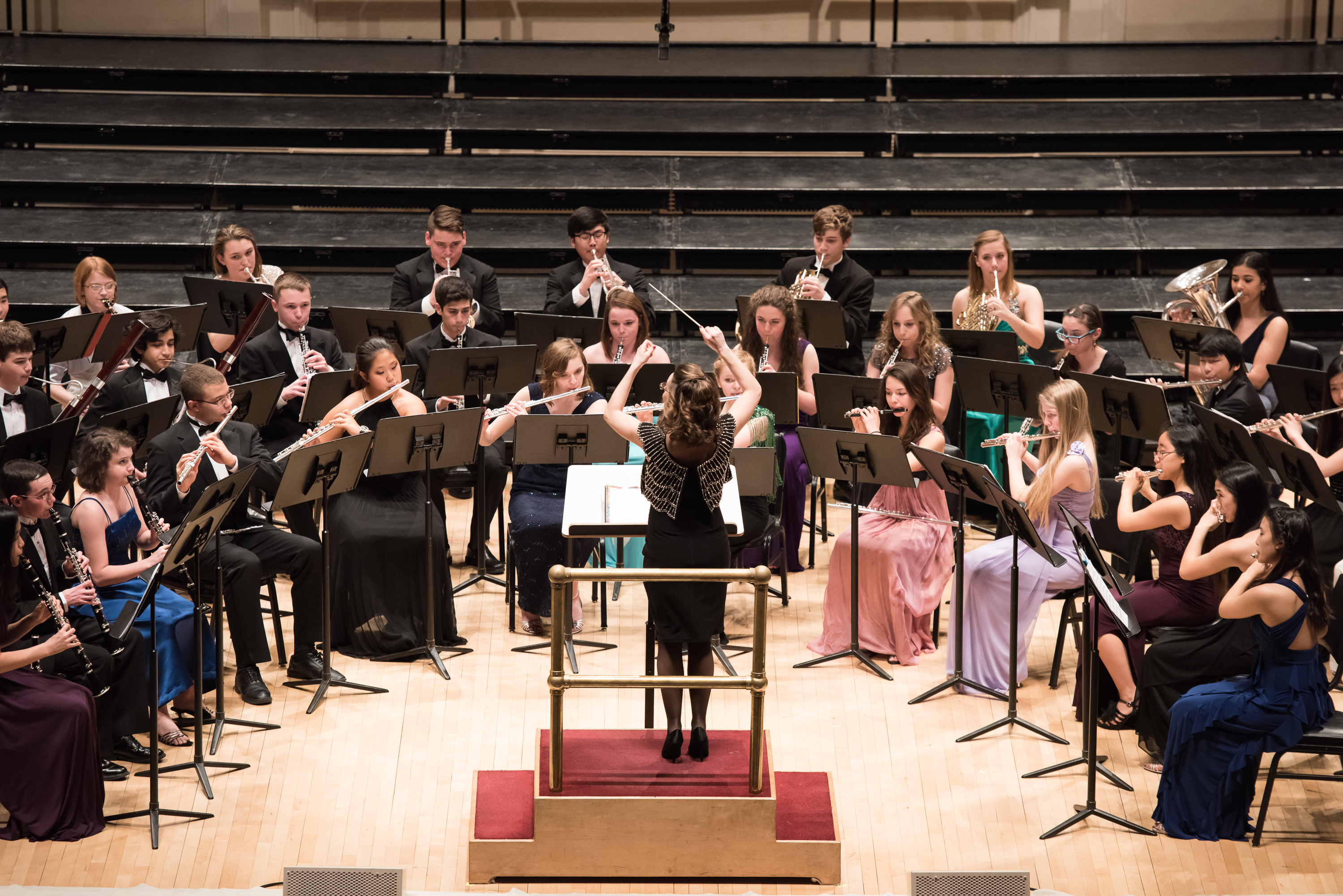
On a cold, rainy afternoon in New York, Distinguished Concerts International New York (DCINY) presented a concert entitled Misatango: A Tango Mass from Argentina. What better way to way to escape the weather than with the vibrant, lively sounds of far away Argentina, courtesy of performers from France, Brazil, Denmark, Germany, Switzerland, and of course, Argentina. Also featuring the Flutopia Wind Ensemble and the Tierra Adentro De Nuevo Mexico Dance Ensemble, the stage was set for a performance that proved to be a treat for the ears and eyes alike.

Distinguished Concerts International New York (DCINY) presents Misatango

Distinguished Concerts International New York (DCINY) presents Misatango

The Flutopia Wind Ensemble took to the stage for the first half. Led by Jennifer Lapple, Flutopia is comprised of high school wind players from the Washington, D.C., and Northern Virginia areas. As one might guess from the name, the group is heavily weighted with flutists (with nineteen flutists among the forty-nine total players listed in the program). Opening with Beyond the Horizon, by Rossano Galante (a work that bears more than a passing resemblance to Frank Erickson’s Toccata for Band) the young players of Flutopia got off to a nervous start, with intonation issues and cracked notes in the brass section. One might chalk this up to jitters, but there was also a rather timid, “play-it-safe” approach that any experienced brass player will tell you is almost a guarantee for these problems to occur. Happily, the second piece, Zoltán Kodály’s Dances of Galanta was played with precision and charm. If anything (and this was a recurring theme throughout), one wanted a lot less restraint and more extroverted, ebullient playing. The ever-popular Eric Whitacre’s October was nicely played, and David Shaffer’s Costa del Sol was just pure fun. Ending with an energetically played Danse Bacchanale (from Camille Saint-Saëns’s Samson et Dalila), Flutopia brought their many supporters to their feet in a loud ovation. No matter what reservations I might have about a performance, it is always a delight to see the beaming smiles of the young performers from the stage.


A Tango Mass from Argentina

A Tango Mass from Argentina

There were many individual soloists who played with great skill and polish. I would like to make special mention of the excellent (un-credited) clarinet soloist, as her playing was a cut above her talented band mates. Ms. Lapple led with a clear baton technique and demonstrative gestures to her players. Even between pieces, she took the time to step off the podium and communicate with the group. This is a well considered, nurturing approach, which can only benefit the developing young musicians. As a final thought from an eternal band geek, I would very much like to see Flutopia “go for it”, to take risks and really let loose.

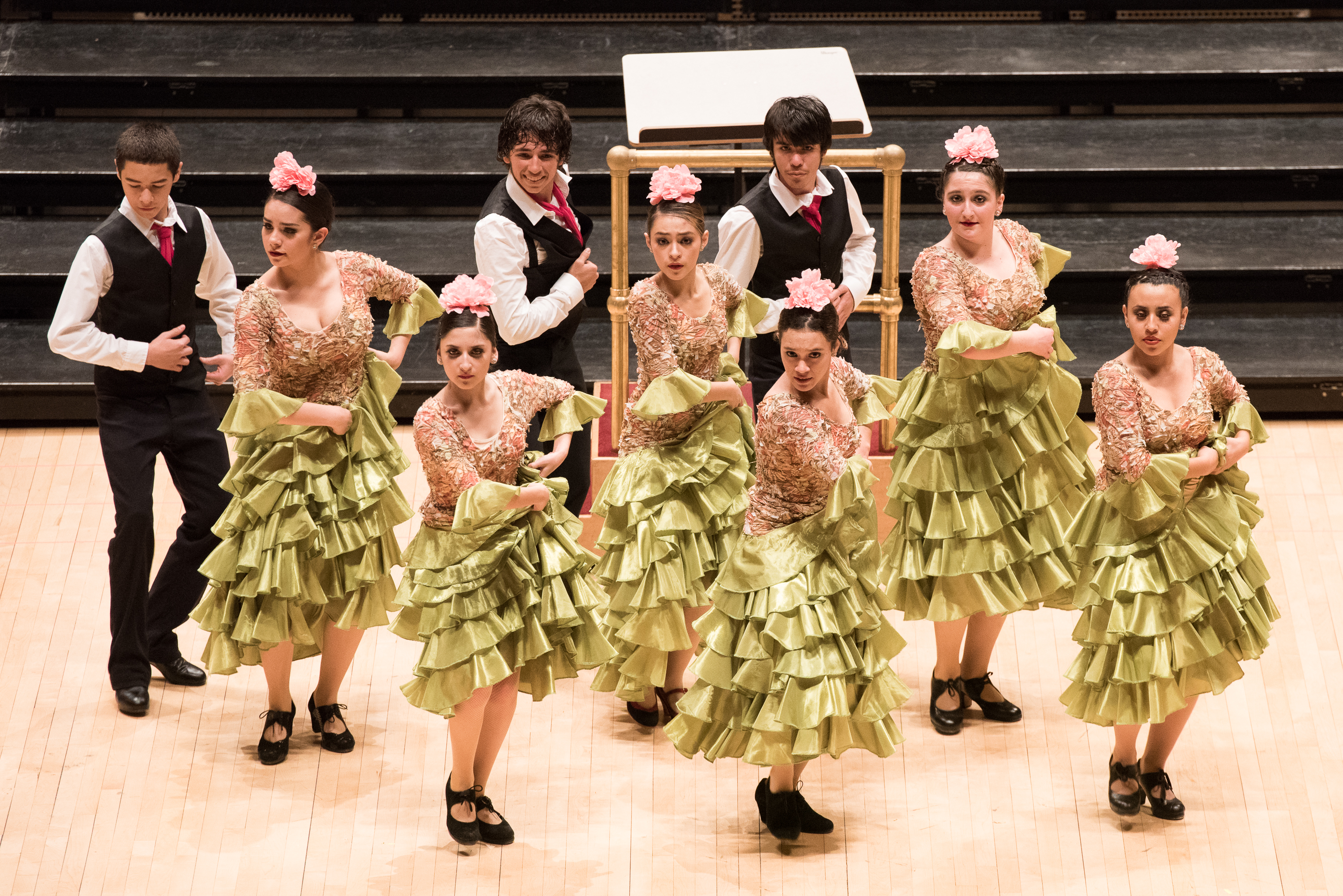
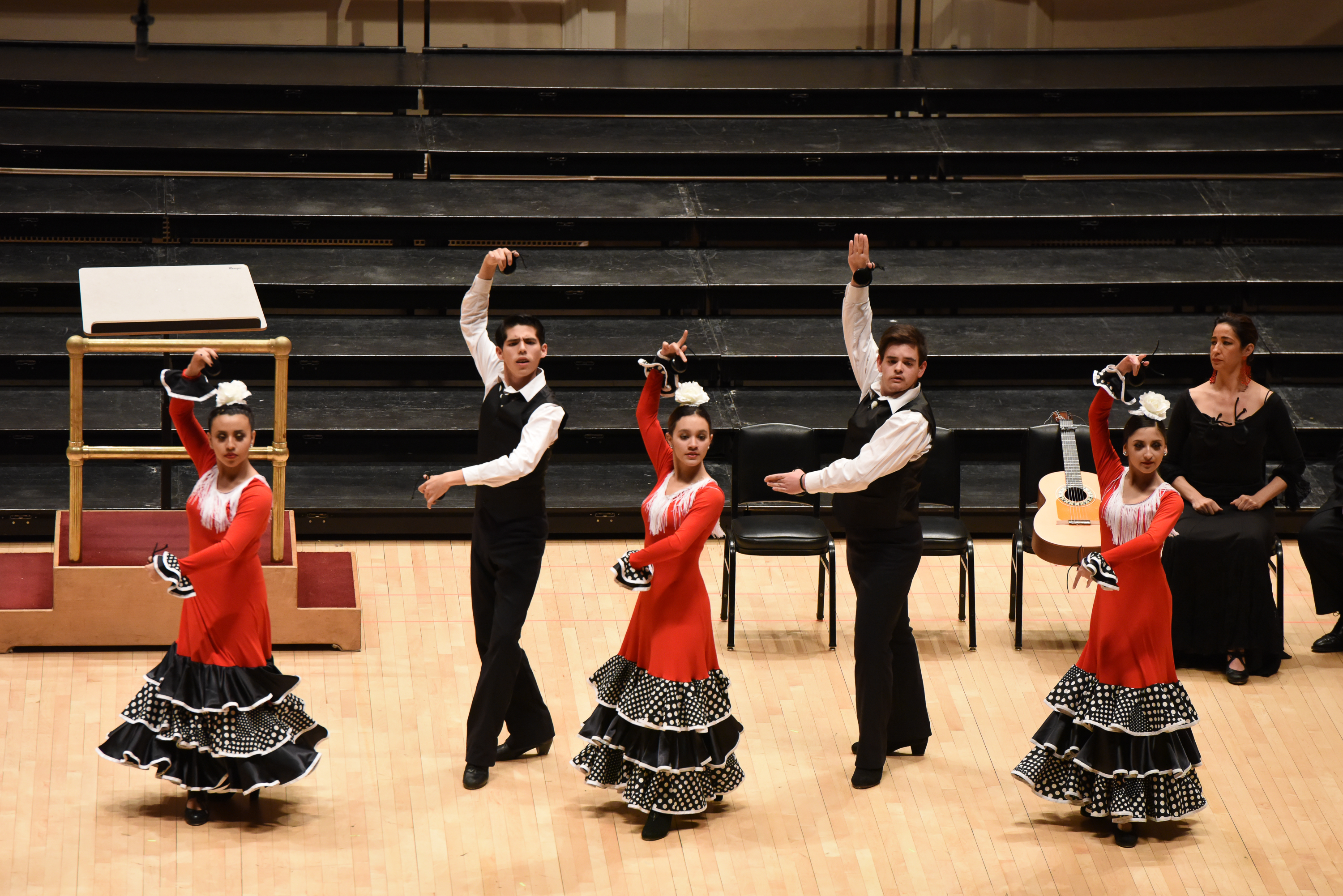
After intermission, the Tierra Adentro De Nuevo Mexico Dance Ensemble, a group of young men and ladies, gave a wonderful performance of the art of flamenco. I will leave any specific commentary about the dancing to those who know better. That said, I will channel my inner Bruno Tonioli (the extremely passionate and animated judge of Dancing With the Stars), grab my score paddle, and thrust it up while shouting “TEN!”

Misatango: A Tango Mass from Argentina

Misatango: A Tango Mass from Argentina

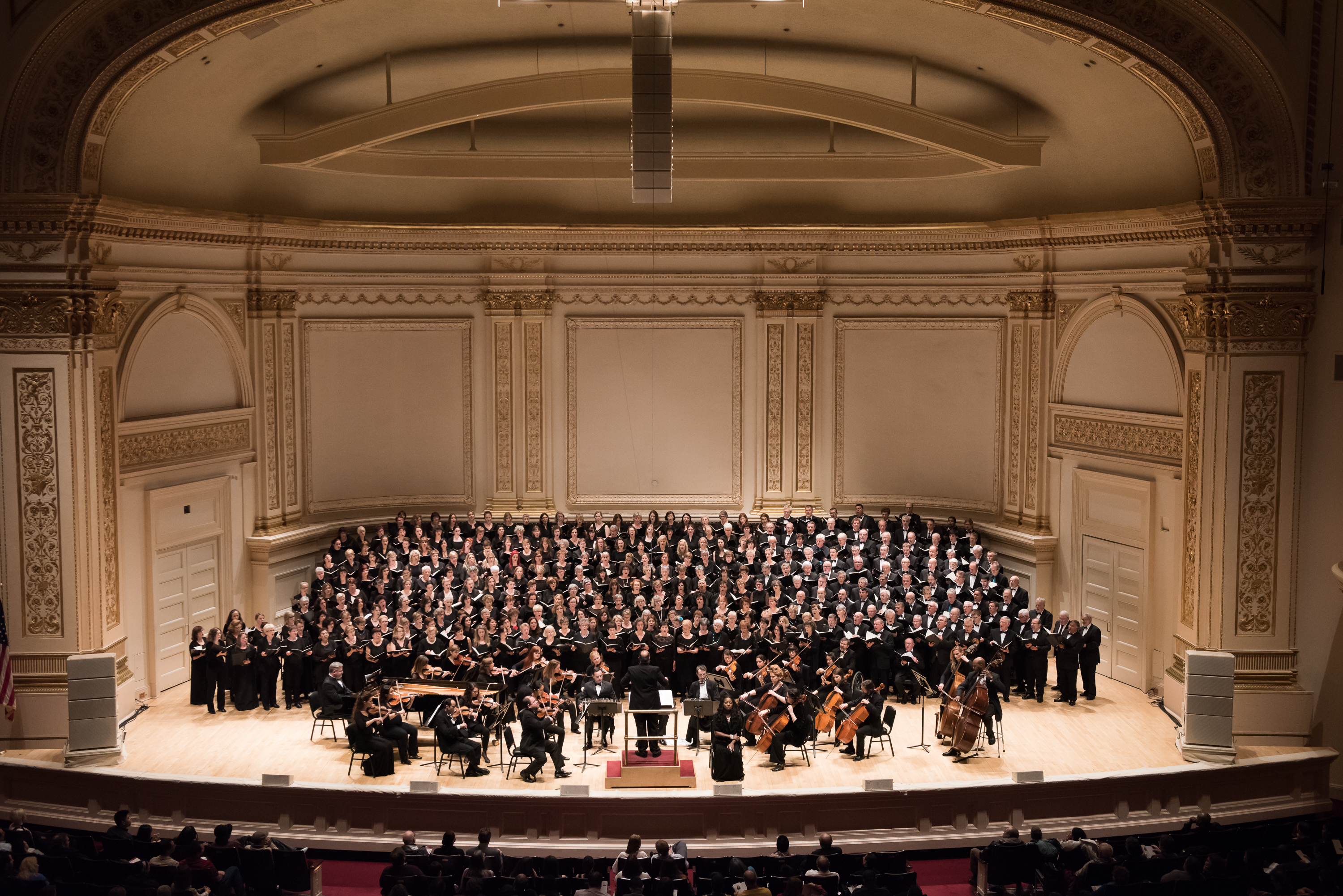
The last work of the evening, Misa A Buenos Aires (Misatango), is a pairing of the traditional mass with the sounds of the tango. I admit that I had my doubts about this concept, but was still intrigued about it all as I watched the three-hundred-plus singers take the stage. Misatango is a six-movement work scored for chorus, string orchestra, bandoneón, and mezzo-soprano soloist. Quoting the composer, Martín Palmeri, “…my objective in this composition was to maintain the harmonic language, rhythms, melodic designs, and all the characteristics of the tango within the orchestra score, thus allowing the chorus to have the full liberty to ‘just sing the mass.'” One can say with certainty that Mr. Palmeri succeeded brilliantly in his objective. Misatango captures the simmering tension of the tango without any kitsch in the vocal writing. Indeed, one can sense the influences of Mozart throughout with a distinctive Argentinean flavor. Of the six movements, the Credo was the most compelling to this listener, but each movement commands interest.

Special praise must go to Kristy Swann, whose voice was simply ethereal, a beacon of light that would pierce any darkness. Conductor Pablo Christian Di Mario led the chorus and orchestra with skill, keeping the huge vocal forces from covering the orchestra while allowing them equal prominence. The Distinguished Concerts Orchestra was particularly outstanding in one of the better performances I have heard from these players. The audience rewarded all the performers a loud and prolonged ovation, giving Mr. Palmeri the lion’s share of the applause.


Share

The Pathway Concert Series presents Hyojung Huh in Review

The Pathway Concert Series presents Hyojung Huh in Review

Hyojung Huh, piano
“Earth and Heaven”: Chorale Fantasies 1, 2, and 3 by Shinuh Lee
Weill Recital Hall at Carnegie Hall, New York, NY
December 18, 2014

It seemed as though there were two recitals happening side-by-side on Thursday, December 18, 2014. The first: a display of superior pianistic skill, with thundering climaxes, ethereal pianissimi, lyricism, beautiful tone, and totally committed playing. The second: an overview of one contemporary composer’s work that, to put it positively, would be called “eclectic, polystylistic.” To put it less positively: “derivative” and at times “cliché.”

Both composer and pianist are obviously totally involved with a certain Christian mystical communion with their beliefs. This allies them with Bach and Messiaen (a large influence on Shinuh Lee), and that is not bad company at all. Wasn’t it Stravinsky who said “Steal only from the best.”?

Shinuh Lee’s three Chorale Fantasies are ambitious works, difficult to play, but somewhat unwieldy in their attempt to illustrate religious mysticism with musical tones. She is very lucky indeed to have such a gloriously gifted pianist as Hyojung Huh as her advocate.

The three works were played in the reverse order of their composition. The third Fantasy “Alleluia,” began with impressionistic sounds, awash in pedal. Someone should show Ms. Huh how to release the pedal without the annoying “damper catch” sound at the end, for it detracted from the rapt intensity of the lingering resonances. Birdsong made its entrance (Messiaen), and mostly one was reminded of Scriabin and Debussy. At times, a simplistic interruption was heard in imitating voices. Much of the time, I wanted Ms. Lee to stay with one idea longer. However, at other times I wished certain passages were better edited. This fantasy didn’t really sound like what the word “Alleluia” denotes to me (and did to the early Christians): joy and triumph.

The second fantasy, “The Collar,” was based on a not-very-subtle mystical poem by 17th century poet George Herbert. I was an English minor in college, and even I find Herbert rough going today. How all this became music was again, a matter of subjective opinion. The poem tells of the weary, cynical poet who is lamenting his sterility, when suddenly he listens and there is the voice of God calling him “Child.” The “collar” is the restraining device that keeps us connected to our divinity, but that makes us seem like dogs, doesn’t it? Of course, clerics wear collars too. In this work, influences included: Copland (Piano Variations), Boulez (without the intellectual rigor), Bartók, and Prokofiev. It was uneven in its pacing, not Ms. Huh’s fault, who, by the way, played the entire incredibly complex evening from memory.

After intermission came the first Fantasy “Comfort, comfort my people,” based on selections from the Bible. Each section has a subtitle taken from The Screwtape Letters by mystic author C.S. Lewis. Here, Ms. Lee introduced her own original chorale melody to serve as intermezzi between the more tempestuous sections dealing with man’s sinful nature. Eventually she quoted from Bach himself-Christ lag in Todesbanden (Christ lay in the bonds of death, used in Cantata BWV4), and the comparison was not kind to Ms. Lee’s own chorale, which was bland by comparison. Her influences here seemed to be: Prokofiev (the “Montagues and Capulets,” from Romeo and Juliet), Ginastera, Bach-Busoni, Rachmaninoff, and Messiaen’s Vingt regards sur l’enfant Jésus (Twenty Looks at the Baby Jesus, which sounded more like a borrowing rather than a mere influence). Ms. Huh had the opportunity to use some fierce fist-clusters in the lowest register of the piano; and I must say Ms. Lee’s use of the total instrument and its color possibilities was most attractive. I just wish that her compositional voice was more original.

As for Ms. Huh, I’d dearly love her to give a recital of more varied fare, without abandoning her muse, Ms Lee. Bach, late-period Liszt, Messiaen, Scriabin would all suit her. Ms. Huh, as George Herbert said: “There is fruit, and thou hast hands.”

Share

HH Promotions London, LLC presents Carlo Grante in Review

HH Promotions London, LLC presents Carlo Grante in Review

HH Promotions London LLC presents Carlo Grante, Piano
Masters of High Romanticism – Concert II: Schumann – The Piano Sonatas,
Alice Tully Hall, Lincoln Center New York, NY
December 15, 2014
 

Italian pianist Carlo Grante is a musician of superabundant gifts. Possessing a discography of over fifty CD recordings, he is much more than a recording artist, demonstrating such thorough pianistic mastery onstage that, if his concerts were recorded straight to disc, one would be hard pressed to think of a single spot to edit. He is unflappable in the face of tremendous technical, musical, and intellectual challenges, reminding this reviewer in many ways of Marc-André Hamelin, but with a mellower persona. While Mr. Grante’s weighty program of Schumann Piano Sonatas at Alice Tully Hall perhaps precluded glimpses of the lighter showmanship aspect of Mr. Hamelin, Mr. Grante’s prodigious skills are certainly comparable, and that says a lot.

Incidentally, these two pianists, in conjunction with their Godowsky recordings, were first linked in many minds with the exposure of the now infamous Joyce Hatto recording fraud in 2007, through which their work was appropriated. Though Ms. Hatto was described in the Boston Globe as “the greatest living pianist that almost no one has ever heard of,” she had in fact been wrongfully credited with recordings by numerous other pianists, including Mr. Grante and Mr. Hamelin. If turnabout is fair play, Mr. Grante could thus perhaps have been described as one of “the greatest living pianists that almost no one has ever heard of” – except that we have now heard of him, and for good reason, with a career that has been on quite a roll.

As part of a three-concert solo series entitled “Masters of High Romanticism” Mr. Grante brings to this Lincoln Center season the complete Ballades and Scherzi of Chopin (reviewed in this journal-Carlo Grante Review 10/31/14 ), his recent complete Piano Sonatas of Schumann, and, yet to come, Variations of Brahms (February 10, 2015- not to be missed). This series is no mean feat and is bookended by other concerts including fistfuls more of – you guessed it – Godowsky, plus more Chopin and a brand new work by Bruce Adolphe.

While expectations were quite high for this all-Schumann program, and the pianist was in flawless form, this reviewer will confess to a bit of a growing bias against “survey” programs, and this recital reinforced the feeling. While it was interesting to hear the three Sonatas in a row, Op. 11 in F-sharp minor from 1835, Op. 14 in F minor from 1836/1853, and the Op. 22 in G minor from 1833-38, binge listening does not seem the ideal way to experience these works. The idiosyncratic Schumann tends to undercut himself when heard in large quantities, especially when all is grappling within versions of Sonata form, so while it was a fascinating journey in the name of thoroughness and scholarship (reflected well in Mr. Grante’s own thoughtful program notes), one might have enjoyed more of the quirkiness, the intimacy, and the multiplicity that are so quintessentially Schumann, had one included one of the sets such as Kreisleriana or Davidsbündlertänze. Schumann did display manic swings in the Sonatas, but one missed much of the extremely free musical expressiveness that lives in so many of the composer’s other works. If this was to be a traversal of Schumann within the framework of “High Romanticism” perhaps the choice of sonatas from essentially one decade was not ideal. One craved more of the Florestan-Eusebius duality in Mr. Grante’s sane and cerebral renderings. Mr. Grante’s modest demeanor is refreshing for such a powerhouse, but he might have benefited at times from a more demonstrative approach. One eagerly awaits his Brahms on the basis of his tremendous control, effortless technique, and keen musical mind.

His Schumann was in each case, as mentioned before, immaculate, with no hint of technical strain in the large swaths of musical texture. Sections that often seem sprawling and unwieldy were kept well in hand. Mr. Grante recorded these works years ago, and the familiarity shows. A minor grievance was some excessive blurring, which may have been attributable to the acoustics in conjunction with the instrument.

The highest points artistically for me were in the F Minor and F-sharp minor Sonatas – especially the Aria movement of the latter. Oddly, though, the performance of the more accessible and popular G Minor Sonata will not linger in memory with as much luster. Perhaps, because it stands more easily on its own, it was left to do just that, with less energy in the projection. Its Andantino, which I consider a movement of great transcendental beauty, just missed being the dream that it can be. Of course, one’s preferences can grow rather set with a lifetime of hearing (and playing) such favorites.

All in all it was a fascinating evening, an unusual program from a fine pianist whom I hope to hear again soon.

Share

Distinguished Concerts International New York (DCINY) presents Messiah . . . Refreshed! in Review

Distinguished Concerts International New York (DCINY) presents Messiah . . . Refreshed! in Review

Distinguished Concerts International New York (DCINY) presents Messiah . . . Refreshed!
Eugene Goossens’s and Thomas Beecham’s 1959 re-orchestration for full symphony orchestra.
Jonathan Griffith, conductor
Penelope Shumate, soprano; Holly Sorenson, mezzo-soprano; John McVeigh, tenor; Christopher Job, bass/baritone
Distinguished Concerts Orchestra, Distinguished Concerts Singers International
Avery Fisher Hall, Lincoln Center, New York, NY
November 30, 2014
 

Okay purists, put down the lorgnettes and stop sniffing in disdain. Absolutely no Messiahs were harmed in the making of this Messiah. Quite the contrary, a mostly thrilling and detailed performance of this evergreen work, full of passion and commitment, took place on November 30th at Avery Fisher Hall. Messiah is the one work that overshadows absolutely everything else in Handel’s output.

Let’s get the bad jokes out of the way now: “Messiah Inflated,” “The Biggest Gainer,” “Enlarge Ye my Orchestra.” Feel better? Gigantism began creeping into the work even in Handel’s time, with the famous English choral societies often numbering in the hundreds. This was the age of absolute rulers—palaces and pomp. And no less a genius than Mozart thought fit to re-instrument it for his time and style. These practical men of music didn’t suffer from the stilting reverence of which we are often guilty. If we are going to perform this work in a hall that seats 3000, some adjustment may be permitted.

With just a few cuts introduced by Eugene Goossens, the performance clocked in at about 2 hours 40 minutes, the same as on my Christopher Hogwood ground-breaking “historically informed” recording from the 1980s. Conductor Jonathan Griffith led the massed forces with great energy and a compromise approach, including some stylish double dotting, but broader tempi to accommodate the increased instrumental sound. He also introduced some very “grand old British gentleman” ritards which were absolutely welcome. I don’t know if that was his innate musicality, or if they were specified by Goossens or Beecham. The only minor annoyance was the presence of the triangle and cymbal, neither of which added much to my enjoyment.

The “Pifa,” or Pastoral Symphony that is in Part I was absolutely magical in the pianissimo return of the theme, played by a smaller cohort with pinpoint style and hushed, awestruck beauty.

When the chorus entered for its first number “And the glory of the Lord,” the sound was absolutely thrilling. These choristers are a cosmopolitan bunch, from France, Brazil, Guatemala, Georgia, Kansas, Hong Kong, Wisconsin, New York, Australia, Tennessee, Missouri, and Germany, obviously so well prepared by their local conductors that they can travel to New York and put themselves together with Maestro Griffith and his orchestra, who brought great unity and color variety to their singing, which was never generic, and was most exciting in the full-voiced passages. Their clarity and rhythmic vitality was very good in the difficult chains of sixteenth notes.

The four soloists were also excellent, with visible involvement in their texts, crystal clear diction, and stamina. Tenor John McVeigh has a sweet lyrical voice that would sound well in front of a Baroque orchestra as well. His “Behold, and see if there be any sorrow” was a highlight of the tenor-heavy Part II.


Messiah...Refreshed!

Messiah…Refreshed!


Soprano Penelope Shumate was a real find for me, with a voice that has been described previously in New York Concert Review as “radiant,” and I can see why. The clear tones were true and expressive, one of the best “Rejoice greatly, O daughter of Zion” that I have ever heard live. Her “I know that my redeemer liveth” was lovely.

The mezzo-soprano, Holly Sorenson, had perhaps the hardest job being heard over the increased orchestration, no fault of hers, but an accident of the lower tessitura. Her “He was despised” was lovely and appropriately grief-stricken, but I wanted to hear the middle section and da capo (shame on Goossens for this one).

Bass-baritone Christopher Job avoided the hollow, sepulchral tones that one sometimes hears from true basses. His voice ideally suited the punishing “The trumpet shall sound,” and was every bit the match for the clarino trumpet (excellently played). However, I would have wished for a darker color on “For behold, darkness shall cover the earth,” which he did beautifully on “Behold, I tell you a mystery,” with “mystery” having its own special mysticism reflected in the voice.

Griffith found a nuance I had only heard once before (in a “historically informed” performance by Les Arts Florissants): the lightening of the voices in the chorus “His yoke is easy and his burden is light” on the final two words, perfectly realized tone painting. The Hallelujah chorus and the concluding “Worthy is the lamb that was slain” and fugal “Amen” benefited from two extra “ambush” antiphonal choirs placed in the left and right balconies of Avery Fisher Hall. The proximity of the sound to the audience only added to the grand intensity of these seminal moments.

Worthy indeed, was this Messiah.

Share